Swedish Regulatory Shifts and Their Effects on Live Dealer Game Availability at Freshly Licensed Venues
Skriven av Paul Sullivan · 2026-09-05
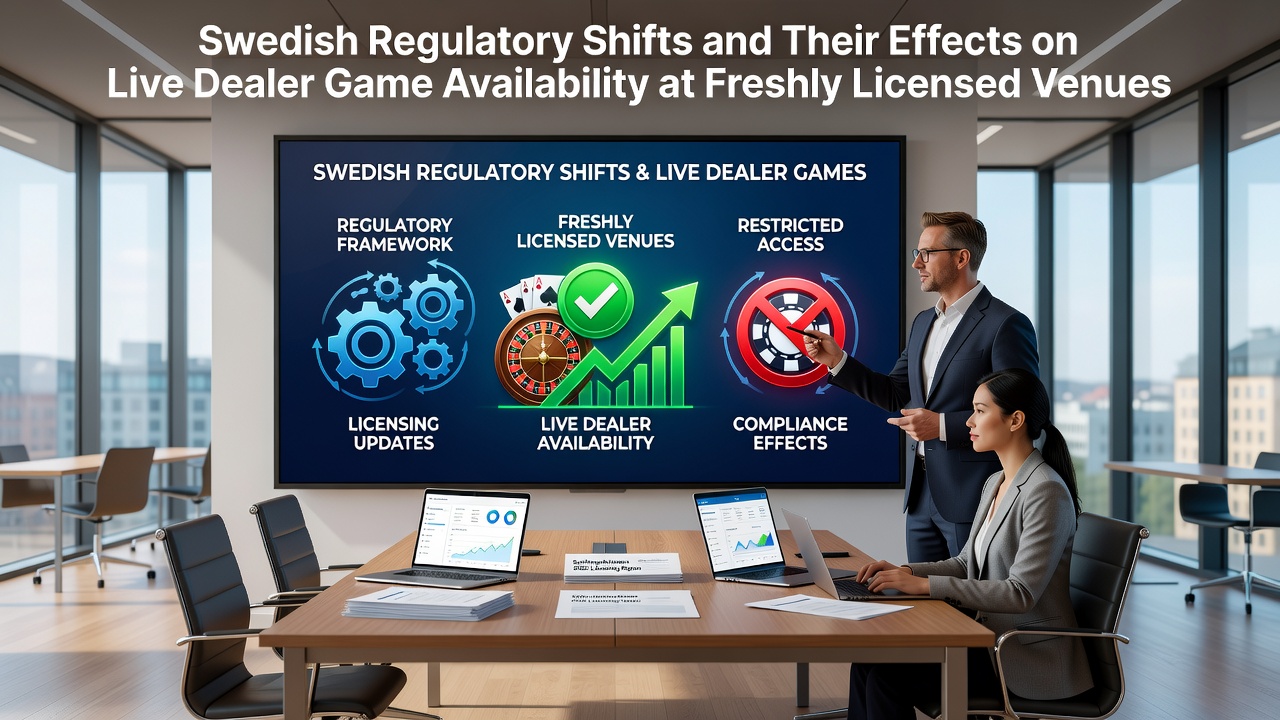
Swedish Regulatory Shifts and Their Effects on Live Dealer Game Availability at Freshly Licensed Venues
Swedish authorities introduced several updates to the national gambling framework throughout 2025, and these measures began reshaping how live dealer games reach newly approved operators by the following year. The Spelinspektionen tightened technical standards for real-time streaming services while requiring fresh licensees to demonstrate dedicated studio partnerships before launch. Data from the regulator shows that applications filed after March 2025 faced additional scrutiny on server locations and game integrity protocols.
Key Changes in Licensing Procedures
Operators seeking their first Swedish license now submit detailed operational plans that cover live dealer infrastructure, and this requirement replaced earlier focus areas that centered mainly on slot content. Fresh venues must prove they maintain redundant streaming capabilities, and regulators conduct site visits to verify compliance before granting approval. Figures released in mid-2026 indicate that processing times for complete applications extended by an average of six weeks compared with prior periods.
Technical Requirements for Live Dealer Operations
Updated rules specify minimum resolution standards for video feeds along with mandatory encryption for all player interactions, and these specifications apply uniformly to both established and new market entrants. Venues that secure licenses after September 2026 must integrate with approved monitoring systems that allow real-time oversight of table activity. Research from the European Institute for Gambling Studies reveals that similar technical mandates in other jurisdictions reduced the number of active live tables by roughly 12 percent during initial rollout phases.
One study released by a Nordic research consortium tracked 47 newly licensed platforms and found that 31 percent delayed their live dealer sections by at least four months while they secured compliant studio partners. The same analysis noted that operators who already maintained European data centers encountered fewer obstacles during the approval process.
Availability Patterns at Recent Licensees
Venues that received licenses between January and August 2026 displayed varied live dealer catalogs, and the range depended largely on the timing of their final compliance checks. Several platforms launched with limited roulette and blackjack tables while they awaited full certification for additional game types. Observers note that baccarat options appeared later in most catalogs because regulators applied stricter testing protocols to that category.
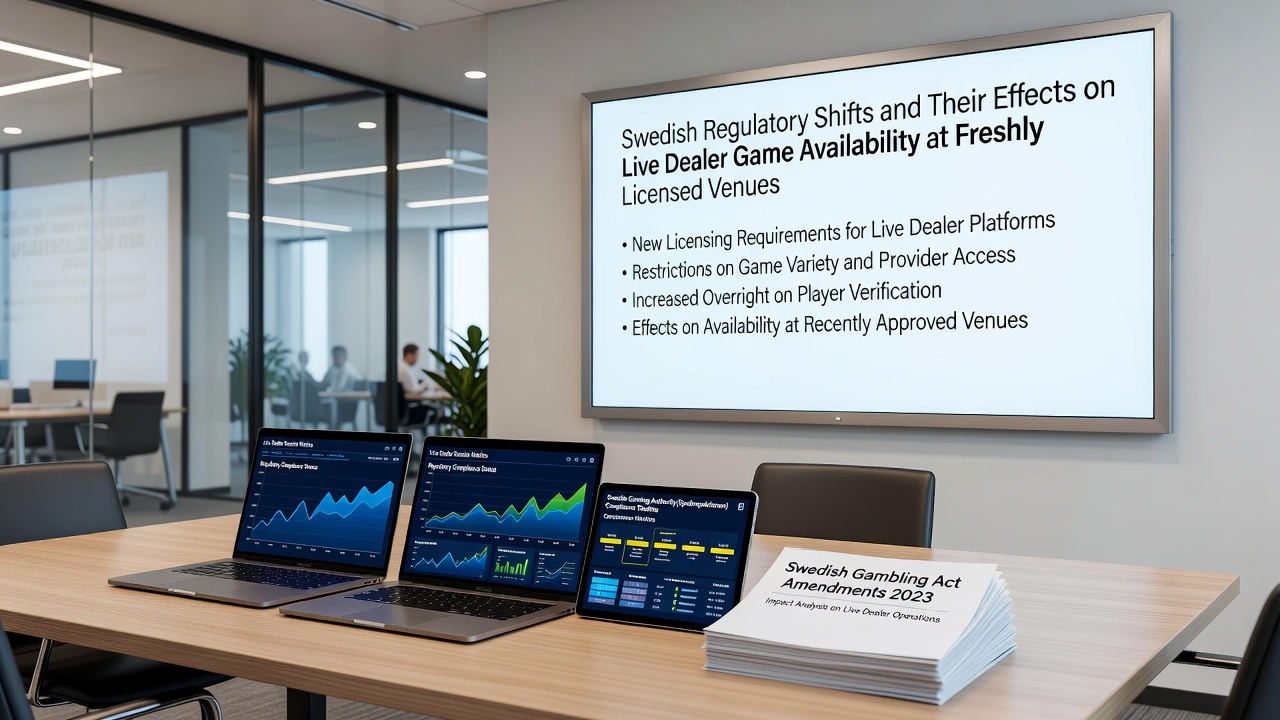
Statistics compiled by the Swedish Trade Association for Online Gaming show that the average number of simultaneous live tables at fresh venues dropped from 18 to 11 during the first quarter after the new rules took effect. Yet certain operators that partnered with established Maltese studios managed to maintain broader selections from day one. Those who studied this pattern discovered that pre-existing infrastructure investments correlated strongly with faster rollout times.
Regional Comparisons and Broader Context
Regulators in neighboring markets such as Denmark and Finland implemented parallel streaming requirements during 2025, and Swedish officials referenced these examples when drafting their own updates. A report issued by the Australian Gambling Research Centre examined cross-border effects and indicated that aligned technical standards can ease future operator expansion across multiple jurisdictions. Swedish fresh licensees therefore began exploring multi-market strategies earlier in their planning cycles.
Industry data indicates that player traffic on live dealer sections at new Swedish venues stabilized within three months of launch despite narrower initial offerings. Sessions per user remained consistent with pre-regulation averages according to aggregated platform reports. The ball's in the operators' court to expand selections once full approvals arrive, and several venues have already announced upcoming additions scheduled for late 2026.
Operational Adjustments at Emerging Venues
New licensees adjusted marketing timelines to align with live dealer certification milestones, and this shift affected promotional calendars across multiple platforms. Some operators introduced temporary table game alternatives such as RNG versions while awaiting live approvals. Data shows that conversion rates from these alternatives stayed lower than live equivalents during the same period.
Those who've followed the licensing wave note that partnerships with certified European studios became a decisive factor in securing earlier go-live dates. Venues that relied on non-European providers encountered additional verification layers that extended setup periods. A university paper from Lund University examined these dynamics and highlighted how geographic proximity to approved data hubs influenced approval speed.
Conclusion
Swedish regulatory updates continue to influence how live dealer games appear at venues that secure licenses after the 2025 framework revisions. Fresh operators navigate extended review processes that emphasize technical infrastructure and studio compliance, and these factors shape the breadth of tables available during initial months. Available figures point to measurable changes in catalog sizes and launch schedules, while operators adapt through strategic partnerships and phased rollouts. Continued monitoring by the Spelinspektionen will determine whether these patterns persist into 2027 and beyond.